Expensive tortillas, fewer buses: How war in Iran is squeezing Latin America

The ceasefire between the United States and Iran is holding but the war’s impact is still being felt in the daily lives of millions of people in Latin America – and could continue to be for months to come.
From rising fuel prices to the frequency of public transport and the cost of popular foods like tortillas, Latin American households say they feel strained by a war they’re not involved in.
Even if the conflict in the Middle East were to end soon, it would continue to affect Latin American economies for a long time, analysts say.
The world is expected to suffer an oil shortage this year, and the longer the war drags on, the greater its effects will be, potentially pushing the world into a recession, according to the International Monetary Fund (IMF).
Argentina, a country that has been working to bring down skyrocketing inflation, is seeing another rise in the cost of living, which the government of President Javier Milei attributes, in part, to the Middle East conflict.
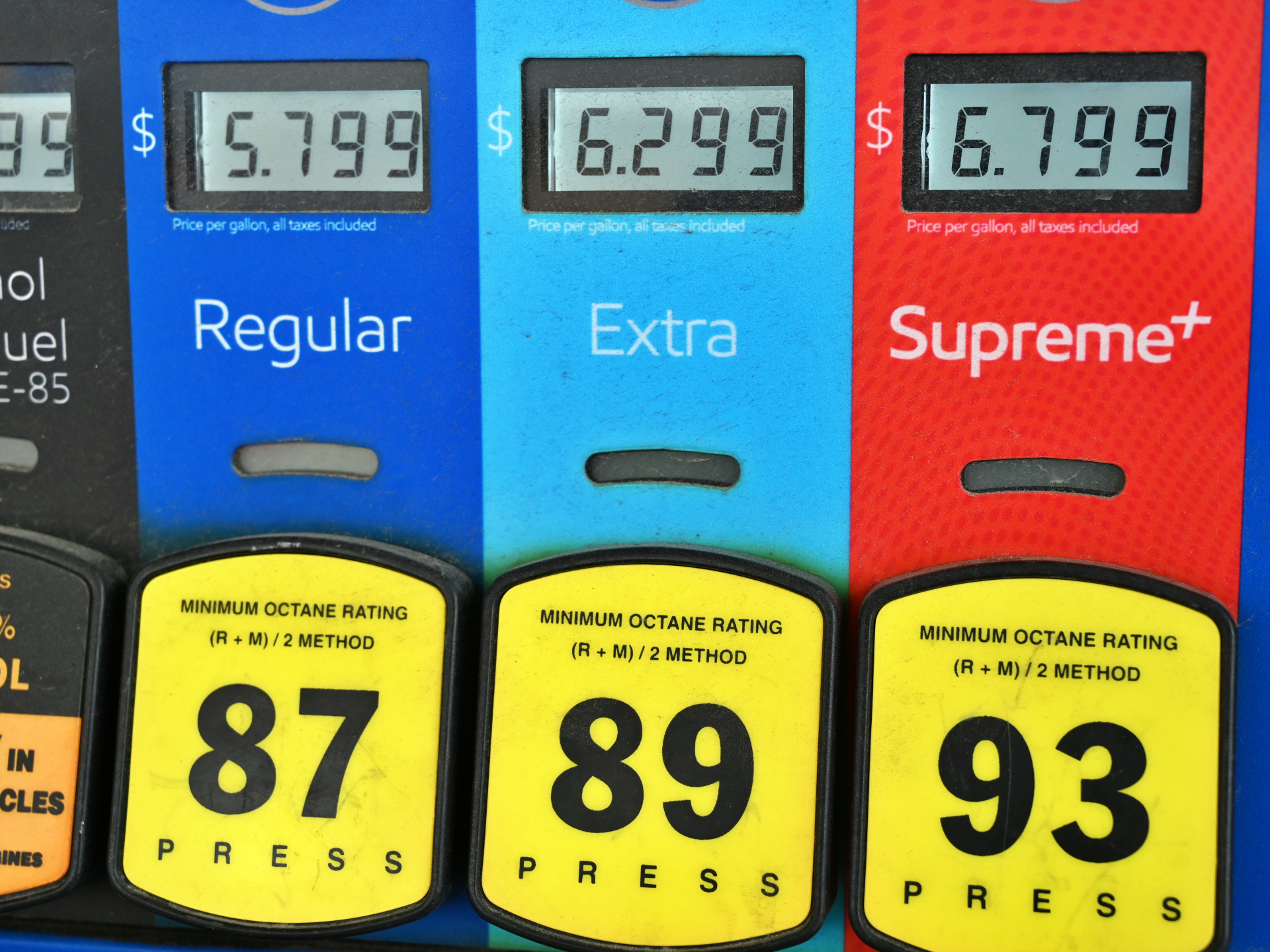
Since the start of the war, fuel prices in Argentina have risen by more than 20%.
Passengers using public transport in Buenos Aires have dealt with delays since the beginning of April as transport authorities cut bus services due to an increase in the cost of diesel fuel.
Long lines in the streets and frustrated passengers have been a common sight in recent weeks, especially in downtown areas and during peak hours. Some commuters say their travel time has almost doubled.
Inflation, which has been steadily rising for months after falling from its highest point in decades in 2023, undermines Milei’s prediction months ago that inflation would disappear “by mid-2026.”
In March, the inflation rate was 3.4%. That month, according to the minister of economy, the war contributed to a 9% increase in fuel prices, 24% in domestic air fares and 22% in intercity transportation fares.
Hugo Vasques, a graduate in Economics from the University of Buenos Aires (UBA) and former auditor general of the City of Buenos Aires, said higher prices could continue in the coming months.
“The impact of the war has not yet been fully realized in the Argentine economy, and that is a problem, because there is a feeling that everything happened in March, but the truth is that it didn’t,” Vasques said.
Rising fuel prices are also impacting costs in the freight transport sector, which saw a 10% increase in March compared to the previous month – the highest rise in two years, according to the Transport Cost Index (ICT) of the Argentine Federation of Business Entities of Freight Transport (FADEEAC).
Vasques predicted the war’s impact on the Argentine economy would “still be felt at least until the middle of the year, perhaps even into the following months” even if the conflict ends soon.
For countries that are “net importers” of fuel, such as Costa Rica and much of Central America, the effect of the war is “clearly negative” as it generates “higher fuel costs, transportation and more expensive food, and (is) increasing pressure on family budgets,” said Cecilia Godoy, analyst for Latin America and the Caribbean at the Economist Intelligence Unit (EIU).
At Costa Rican gas stations, two questions are often heard by customers: “Has it gone up yet?” and “Am I lucky today, has it not gone up yet?”
Kevin Calvo, a nursing assistant who lives in Cartago province, says his biggest worry is that his daily expenses will increase. “There’s a lot of concern because when fuel prices go up, everything goes up. In my case, since I travel by public transportation, I’m worried about the cost of passes,” he said.
Also affected are petrochemical raw materials, which are the basis for the production of plastics worldwide and for the packaging of food, hygiene, health and cleaning products, according to the Costa Rican Chamber of the Plastic Industry (Aciplast).
In Costa Rica, the plastics industry employs about 14,000 people, exports more than $528 million per year, and depends on the import of raw materials.
“We are facing constant (cost) increases in a matter of days, coupled with a context of high uncertainty. As an industry, we have made efforts to manage these increases, but it is important to understand that this is a global phenomenon and that these are high percentages,” said Rosa Gutiérrez, president of Aciplast.
Despite the “excessive” increase in fuel prices, inflation in Mexico “is under control,” President Claudia Sheinbaum insisted recently, while acknowledging that the index has increased compared to 2025, when it was 3.7%, according to the IMF.
Producers of tortillas, a traditional Mexican staple, recently warned they would have to increase prices due to rising costs caused by the war. The Mexican president said her government would do everything possible to prevent that.
Mexico imports 75% of its liquefied gas and 50% of its gasoline from the United States, a complex dependency that threatens to pass on increased prices to consumers.
To mitigate that, Sheinbaum’s government subsidizes the price of both fuels, but the move could affect other areas of Mexicans’ lives.
“The government tries to subsidize, but that implies allocating resources perhaps from other programs,” said Moritz Cruz, a professor and researcher at the Institute of Economic Research of the National Autonomous University of Mexico (UNAM) with a PhD in economics.
“In practice, either households absorb the increase directly through higher prices, or the cost is passed on to public finances through a larger deficit and reduced spending in other sectors,” said Godoy.
These difficulties have led the Mexican government to consider fracking, a proposal that sparked backlash from environmental organizations.
Sheinbaum said she would evaluate various technologies and their environmental impact with a committee of specialists, but would not do anything that adversely affects local communities.